



This is not Child’s Play
Luke 12: 2 to 3
Nothing is covered up that will not be revealed, or hidden that will not be known. 3 Therefore whatever you have said in the dark shall be heard in the light, and what you have whispered in private rooms shall be proclaimed on the housetops.
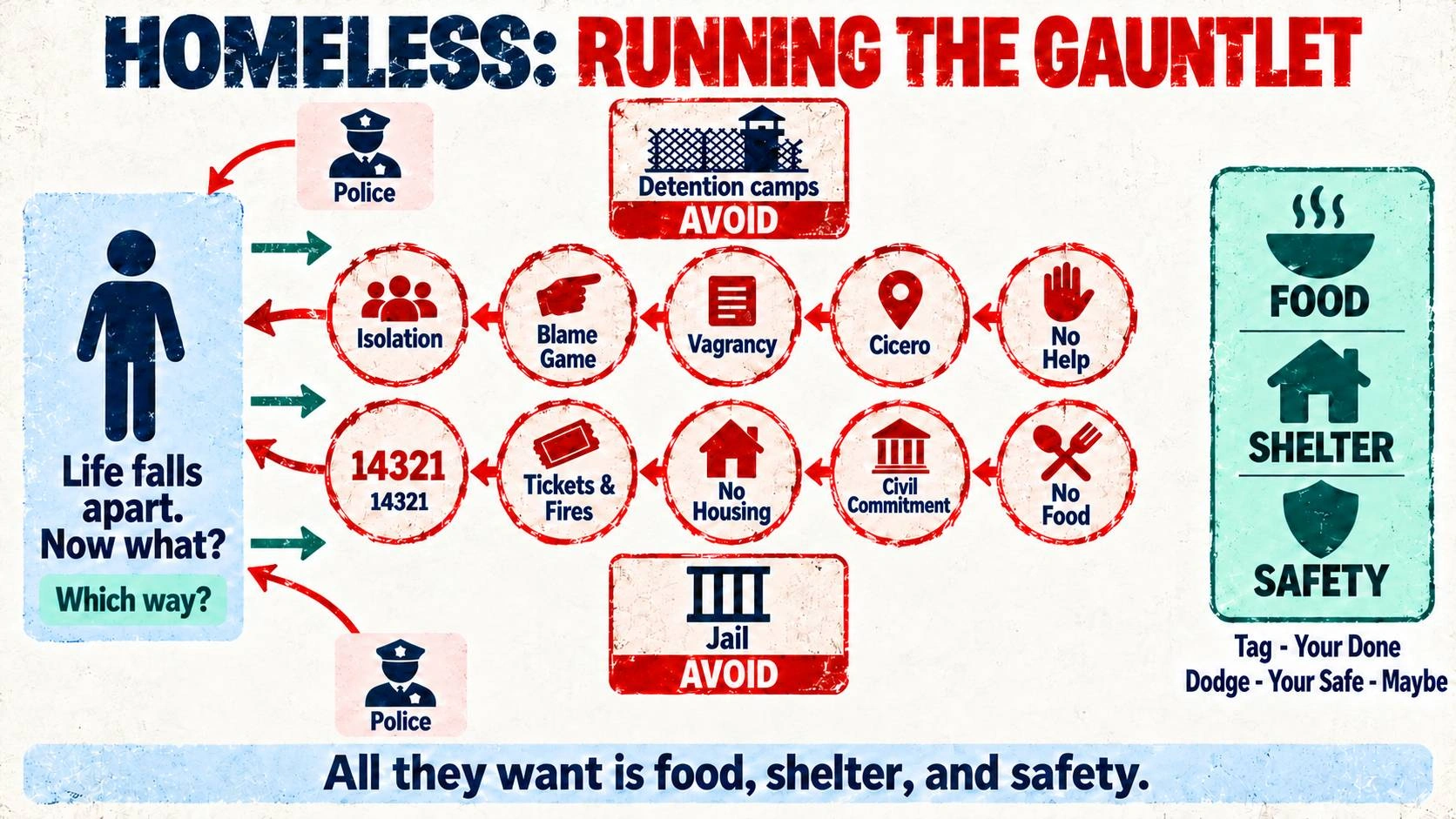
Homelessness is not illegal, but some want you to believe it should be.
The danger isn’t homelessness—it’s becoming comfortable ignoring it.
When society stops seeing people, policies become punishment.

Welcome Back, Let’s Review
We have been on quite a journey with this blog series. Thank you for continuing to read what has been produced. This has not been an easy series to write, but it has been necessary. America has taken, and appears poised to take, even more troubling steps against the homeless.
As children in the 1970s and 1980s, many of us learned the warning phrase, “Stranger Danger.” Today, we need to learn a different warning: “The narrative is tainted. Avoid it.” It is like the Halloween candy you were told not to eat. Someone else said it was fine, so you tried it anyway, and you became violently sick. The warning was there. It simply was not heeded.
Throughout this series, we have looked at the agencies, policies, and government bodies that are crafting sleight-of-hand changes designed to move the homeless toward institutions for indefinite periods of time. We have briefly looked at the varied root causes of homelessness, many of which are being ignored, allowing the numbers to continue growing and feeding the argument for emergency mandates.
Finally, we dared to look at the once-unlocked back door of this nation, which allowed millions of illegal immigrants to enter and place added pressure on systems already strained beyond capacity. Many will not admit that this has happened, but when housing, food, medical care, and emergency services are so stretched that they cannot meet the basic needs of the at-risk citizens already here, then something, somewhere, is draining the system.
Introduction
Before we begin this final review, it is worth taking a moment to reflect on the larger purpose of this series. Homelessness is one of the most visible problems in America, yet it remains one of the least understood. Most people see only the surface—a person on a sidewalk, a tent under a bridge, someone asking for help at an intersection. What they do not see are the countless stories that led to that moment: the veteran struggling with invisible wounds, the elderly person priced out of housing, the disabled worker who could no longer earn a living, the foster child who aged out of the system, or the family that simply could not keep pace with rising costs.
Throughout this series, we have challenged the accepted narrative surrounding homelessness. We have examined policies, agencies, reporting practices, housing shortages, economic pressures, and social attitudes that continue to shape public opinion. More importantly, we have asked difficult questions that many would rather avoid. Is the goal truly to help the homeless, or is it increasingly becoming to remove them from public view? Are we addressing root causes, or are we creating systems that punish people for circumstances they often did not create? Are we preserving human dignity, or quietly redefining certain groups of people as problems to be managed?
These are not comfortable discussions, nor are they intended to be. The future of how America treats its most vulnerable citizens is being decided right now. What follows is not merely a review of previous topics. It is a final examination of the path we are currently traveling, the consequences that may lie ahead, and the moral responsibility each of us carries as witnesses to what is unfolding around us.

The Tainted Reporting Style
Sadly, reporting is not always reporting anymore, especially when it comes to the homeless and their struggles. Much of it has become storytelling. What is the key difference? Stories can be shaped, slanted, and built from details that are not completely accurate, then sold to the public as truth.
Test this for yourself. Search for ten or twelve recent articles about homelessness, and you will see the same narrow themes repeated over and over again: alcohol, drugs, mental illness, instability. Are we really being asked to believe that over 770,000 homeless people, from different backgrounds, races, ages, income levels, and former stations in life, can all be placed neatly into only two or three categories? How?
Close your eyes for a moment. Imagine 770,000 people gathered in any one space. Now try to split them into only two groups with no variation, no different life stories, no different causes, no different wounds, no different losses, and no different circumstances. It simply goes against common sense.
The truth is being whitewashed so that you grow tired of hearing about “addicts,” “alcoholics,” and “the mentally ill.” The goal is that you will eventually shut down, disengage, and give free course to those who have already decided what should be done with the homeless. If you believe this is anything less than deliberate, then we may need to start this entire conversation over again.
Many of these rising numbers came after decisions were made to allow illegal immigration to overrun this nation in the post-pandemic years. Are we expected to believe that all the grandparents forced out by inadequate income, injured workers, veterans, aged-out foster kids, and disabled middle-aged people all fit into those same narrow categories once they land on the streets? That is impossible.
The Elderly and the Very Young
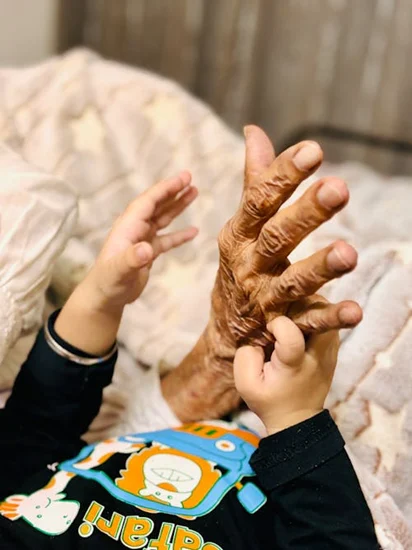
Between 20% and 25% of aged-out foster youth experience immediate homelessness, which is about 3,000 young people annually. Think about that for a moment. A young person survives the struggle, and possibly the trauma, of living in foster care, only to have that chapter end with them landing on the streets through no fault of their own. If the current trend continues, that same young person could eventually face institutionalization instead of intervention.
Now move to the other end of the age spectrum. Among those age 55 and older, the numbers are shocking. Approximately 150,000 older adults lose housing annually. The greatest cause is being priced out of their living arrangements. Imagine living most of your life, paying your dues, caring for your family, working, surviving, and then landing on the streets in your later years, only to face the possibility of being institutionalized.
This has been a repeated point of focus for me in this series because the elderly and the very young are among the most vulnerable within the homeless population. They often have the fewest resources for recovery and restoration. They are the silent sufferers. They fall through the cracks, often unnoticed until it is nearly too late, and some die without meaningful intervention.
Foster youth have already had a terrible start in life, and then we hand them a ticket to the streets because they lack life skills, support, care, and treatment for the very things that placed them in foster care to begin with. The elderly among us have lived their lives, paid their dues, helped others, raised families, and carried burdens. Are we really prepared to stand by and allow them to slide into homelessness without a fight?
The Veterans Among Us
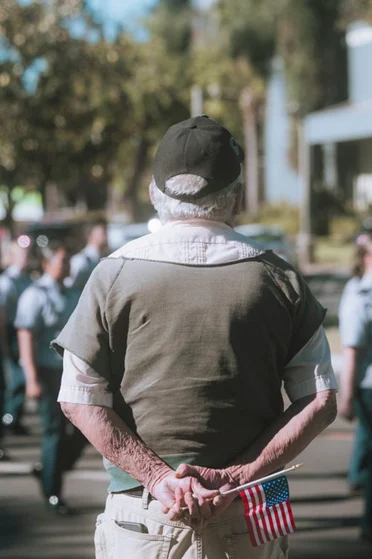
About 32,800 veterans are homeless, and roughly 40% of that number are living directly on the streets. That is approximately 13,800 men and women who served this nation and are now street dwelling. That is a lot of good servicemen and servicewomen.
Imagine, for a moment, that a police officer encounters a veteran living on the streets and, under new laws and guidelines, is forced to arrest him. Then imagine that veteran being moved into an institution and placed into unpaid labor for a service he never asked for. A veteran of our armed forces, in this nation, reduced to that? Welcome to the new reality that few are willing to admit is coming into focus.
The number of veterans struggling after more recent conflicts has increased tremendously, and the system has not kept up with the need. Veterans’ services do what they can, but many came back from war carrying invisible wounds. Mental trauma, physical injury, post-traumatic stress, isolation, and the inability to reintegrate into normal environments have all contributed to homelessness among veterans.
We must address veteran homelessness differently. Many veterans cannot handle crowded shelters, noisy rooms, constant movement, or chaotic environments. Some need quiet space. Some need specialized care. Some need pet therapy. Some need a slower, more personal approach. The question is this: will we adapt to meet their needs, or will we demand that they adapt to a system that was never built for them?
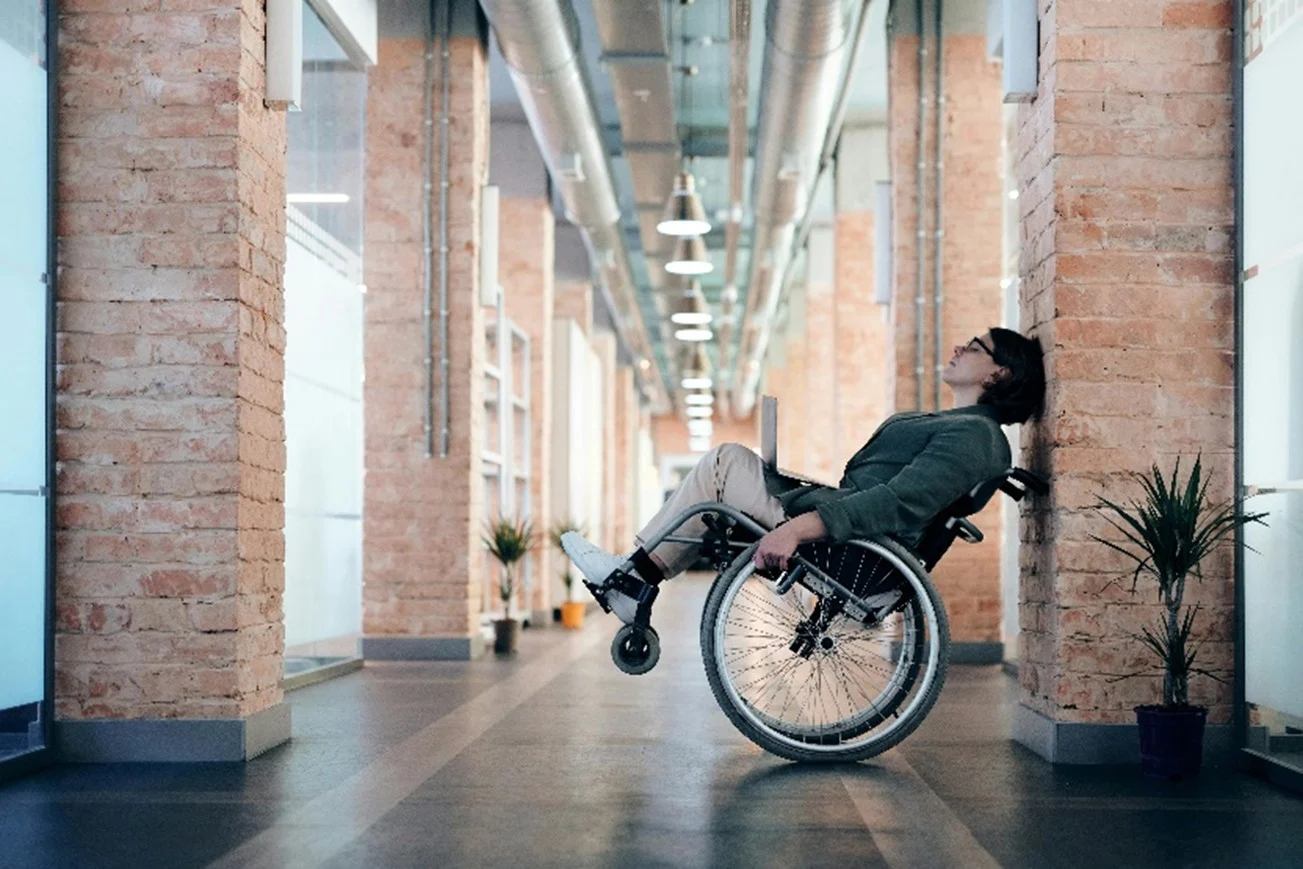
The Disabled and Unable to Work
For the purpose of this blog series, we are speaking directly about those who became disabled later in life, and whose disability impacted their ability to work and earn a living wage. People become disabled for many reasons, and for some, that change places them directly on the path toward homelessness.
Job loss, income restrictions, medical costs, medications, reduced mobility, transportation challenges, and the emotional toll of losing the life they once knew can toss a person’s entire world sideways. Then they face the disability process.
The difficult truth is this: the process is hard, and in many ways, it is hard on purpose because of fraud that has taken place within the system over the years. However, the burden of that difficulty lands on real people who are already struggling. The process can take 24 months or longer. During that time, the person often cannot work, must attend appointments, must remain available for evaluations, and after all of that, the answer may still be no.
Then the legal process begins. And people still wonder why disabled individuals end up homeless? Go figure.
If the answer is yes, the person may fall into one of two different categories. Some receive Supplemental Security Income, which averages around $737 per month and comes with work restrictions. Others receive a full disability declaration, with an average income of about $1,680 per month. During the first two years, they are monitored closely, and that income also comes with varying restrictions on earning.
This is why we are seeing more disabled people among the homeless. They are being squeezed out of housing by a system that leaves them with too little income, too many restrictions, and too few realistic options.

We Are Reaching a Tipping Point
Are we ready to say that institutions are the only answer?
Are we ready to say that homelessness cannot be solved any other way?
Are we ready to surrender the fight so soon?
Are we ready to say to grandfather, uncle, and brother, “There is no hope”?
Are we ready to say to mother, grandmother, aunt, and sister, “We have given up”?
Are we ready to say that an illegal immigrant ranks higher in concern than a citizen?
Are we ready to say that handcuffs and jail are the final solution?
These are tough, uncomfortable questions that no one wants to face, think about, or answer. However, the work being done behind the scenes, at high levels of government and policy-making, requires us to face them. If we do not, we may one day look around and realize that this population has disappeared from sight without accountability.
Never forget this: there is an eternal accountability that none can escape.
The terrible truth is that if we enacted three simple changes, we could step back from the tipping point before it is too late.
First, stop blaming and jailing the homeless themselves. Start working collaboratively to solve the problems one person at a time.
Second, begin using empty buildings across each state for alternative housing and restorative solutions that help people move off the streets and into recovery, stability, and care.
Third, and most controversial, remove government and its related agencies as the main drivers of homeless policy and procedure. Place private citizens, private organizations, and private corporations in position to help shape solutions and begin to see real change.
Remember this: if you have cancer, you do not keep feeding the cancer.
Are We Ready for the Moral Quagmire?
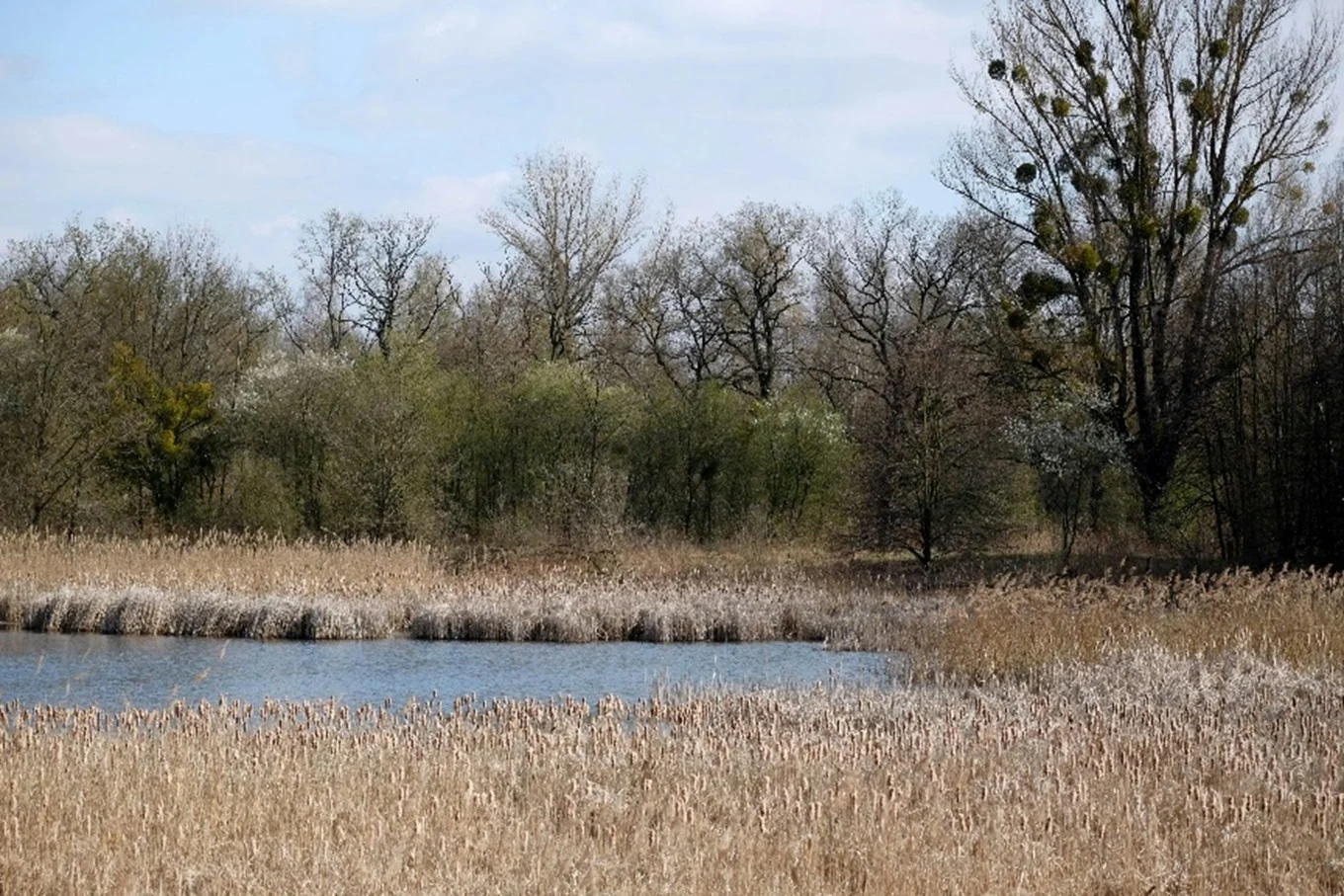
Quagmire: soft ground that sinks underfoot; also a dangerous or complex situation where difficult issues meet.
In this present moment, we have the perfect conditions for the formation of a deep moral quagmire that will trap the homeless, and they did not create it.
Here is the hard part: they remain invisible until one of them steps into the quagmire and becomes trapped. The homeless population of America is being herded down a long chute into a multi-faceted trap that will remove them from our presence and make sure they are no longer around to bother us.
Is that a legacy America wants to carry for the next 100 years?
No camping, even when there is no shelter. No food pantries. No hygiene stations. Tougher enforcement of so-called quality-of-life crimes. These are forming the sides of the chute right now. The decisions of the Supreme Court, the policy ideas of the Cicero Institute, and the Executive Order are reinforcing the walls and moving everything effectively out of sight.
This may sound unusual, but we are visual people. We think in pictures, so allow your mind to picture it. No one is stopping to ask how each person became homeless. To many, it does not matter. They are being sent toward the quagmire.
This quagmire has been created, crafted, collected, and made to appear as though it is for a good purpose. But once a person steps onto that ground, the trap snaps shut. Yes, let your mind go there for a moment. Imagine yourself homeless, with no options offered, no meaningful intervention, and no exit. You have been herded this way, and now you are trapped.
Are “They” Human, or Trash to Be Tossed Aside?
A punitive mindset says:
Parent to child: “Go stand in the corner. You are bad.”
Teacher to student: “You did not live up to expectations. You must try again.”
Judge to convicted person: “You have been found guilty. Go away now.”
Trash compactor to the unwanted: “Let me crush this into a convenient package so it can be disposed of without too much fuss.”
Now, what you just read may sound petty to your ears, but it is the undercurrent of what is being conveyed to the homeless population right now. The sum total is this: since you “allowed yourself” to become homeless, we, the normal society of people, see you as less than human and without real value.
It may feel like these statements are being repeated too often, but without repeating them, we risk surrendering to the narrative that what is being formulated for the homeless, or better said, against the homeless, is actually for their good.
Here is another area we should look at honestly. We unflinchingly spend millions on dogs and cats abandoned on the streets. Facebook posts, Instagram reels, click ads, and rescue campaigns pull on our heartstrings, and suddenly we send money, pledge support, rescue animals, and think nothing of the cost.
The question is this: could our hearts and pocketbooks be slightly misaligned?
Puppies and kittens are precious, and caring for animals matters. But do they outrank human beings? We do not simply get mad at people who fail to spay and neuter. We arrest and jail abusers. We build shelters. We create adoption programs. We support free clinics. We organize rescue efforts. We do all of this for animals, and many times we do it gladly.
Yet human beings, who carry eternal souls, are often treated as though they are less worthy of rescue, shelter, mercy, and intervention. Animals are wonderful, but they should not be of greater concern than people.

The Juggernaut That Many Are Ignoring
It is called gentrification. It is called NIMBY. It is called out-of-control HOA fees. Across the nation, these forces are complicating the affordable housing market and adding to the number of homeless people.
The refusal to build shelters and affordable housing, while moving toward jails and institutions, is something I cannot understand. The housing bubble of 2008 changed the housing market. The pandemic of 2020 changed it even more. We have not recovered. Yet those in power often refuse to acknowledge the obvious: without housing, you cannot solve homelessness.
Nationally, there are only about 35 affordable housing units available for every 100 extremely low-income households that need them. At this rate, we cannot catch up.
Gentrification is sneaky. It presents itself as improvement, progress, beautification, and much-needed investment in a given area. But in the process, housing is destroyed. Old neighborhoods, older rental properties, and affordable units are torn down, and new expensive housing rises in their place. People are displaced.
With NIMBY, the issue often comes down to restrictive building and conversion rules for alternative housing. Communities restrict what can be built, how much can be built, how high buildings can go, what price ranges are acceptable, and who the housing is really for. Affordable housing is often slashed under the guise of protecting the neighborhood.
I cannot speak for every state, but Florida has seen a major turn toward aggressive HOA fees and assessments over the past several years. No matter the state, if you own a condo or townhouse but fall behind on the fees, you can still lose your home.
Imagine that. You can own your home and still end up homeless.

In Closing
We used some strong words in this blog, and we did so on purpose. People need to lift their faces from their screens, step away from the television, turn down the noise of social media, and start thinking for themselves again. We are becoming like sheep to the slaughter because we have been willingly dumbed down and trained not to think deeply.
The quagmire. The tipping point. The juggernaut.
These are words we do not hear often, but in regard to the homeless, they face these realities daily. The fact that no one says them out loud does not change the outcome. They are being removed by plan and deception to places no person should be sent without long, careful, and lawful proceedings.
Words, terms, policies, and carefully crafted ideas are being used to keep you from realizing that every single homeless person is being targeted. Yes, every one of them, no matter their age, circumstance, situation, background, or present hope of getting off the streets.
They fear your response. They fear your outrage if you realize that grandmother may be locked up, that the veteran may be put away, that the foster youth may never get a fair chance, and that Joe or Jane on the corner may be treated like throwaway people.
If we do not stand up, stand out, and start speaking up, the fight will be over, the hope will be lost, and their fate may be sealed.

The Wrap Up
Final Wrap-Up: A Choice That Cannot Be Avoided
As we bring this series to a close, one truth stands above all others: homelessness is not simply a housing issue, a political issue, an economic issue, or a social issue. It is ultimately a human issue. Behind every statistic is a person. Behind every policy is a consequence. Behind every decision made in a government office, courtroom, boardroom, or think tank are real lives that will be affected for years to come.
Throughout this series, we have examined subjects that many would rather avoid. We have looked at the changing narratives surrounding homelessness, the policies being crafted behind closed doors, the root causes that continue to be ignored, and the growing movement toward punitive solutions rather than restorative ones. We have discussed veterans, foster youth, the elderly, the disabled, and working individuals who simply could not keep pace with rising costs and changing economic realities.
What becomes clear when all of these pieces are placed together is that homelessness does not have a single cause, and therefore it cannot have a single solution.
The narrative currently being promoted would have us believe that homelessness is largely the result of poor choices, addiction, mental illness, or personal failure. While those factors certainly exist, they do not explain the entire picture. They never have. The grandmother living on a fixed income, the veteran carrying invisible wounds, the disabled worker waiting years for assistance, the foster child aging out of care, and the family crushed by inflation all tell a different story. They remind us that homelessness is often the result of systems failing people long before people fail themselves.
We are standing at a crossroads as a nation. One path leads toward understanding, intervention, housing, treatment, compassion, accountability, and restoration. The other path leads toward criminalization, institutionalization, forced compliance, and the removal of people from public view. One path recognizes human dignity. The other treats human beings as problems to be managed.
History has a way of judging societies by how they treat their most vulnerable members. Not by how they treated the wealthy, the powerful, or the influential, but by how they treated those who had the least ability to defend themselves. The homeless stand among the most vulnerable populations in America today. Many have no voice. Many have no advocate. Many have no one willing to stand beside them and say, “This person matters.”
The greatest danger may not be the policies themselves. The greatest danger may be public indifference. When people stop caring, harmful ideas gain momentum. When people stop asking questions, bad policies move forward unchallenged. When people accept a narrative without examining it, they unknowingly become participants in outcomes they may never have supported if they had known the full truth.
The challenge before us is simple, even if the solutions are not. We must refuse to surrender our ability to think critically. We must refuse to see people as disposable. We must refuse to allow fear, frustration, inconvenience, or political ideology to outweigh mercy, justice, and common sense.
The homeless are not a nuisance to be hidden. They are not obstacles to development. They are not statistics on a spreadsheet. They are fathers and mothers, sons and daughters, veterans and workers, young and old, broken and struggling, but still human.
And perhaps that is the question this entire series has been asking from the very beginning.
When we look at the homeless among us, do we still see people?
The answer to that question will determine not only their future, but the character of our nation as well.